Why Did My Potato Soup Turn Pink? The Ultimate Fix
Why did my potato soup turn pink? Your potato soup turned pink due to a harmless chemical reaction, often caused by phenolic compounds in the potatoes reacting with iron from your cooking water, an old knife, or a cast iron pot. This process is called oxidation. Knowing how to manage your ingredients and cookware prevents this color change and ensures a creamy, white soup.
The aroma of a simmering potato soup is pure comfort—that gentle, starchy scent mixed with savory herbs is the unofficial signal that a cozy, creamy bowl is on its way. You ladle out the first spoonful, ready for that satisfying, velvety white or pale-yellow goodness… and then you see it.
A strange, unnatural flush has taken over the bowl. Your perfect, creamy comfort food has transformed into something resembling a culinary bubblegum disaster. It’s pink. Maybe slightly purple. Definitely not the color you were aiming for.
I’ve been there, staring into the pot, questioning every choice I’d ever made in the kitchen. For 15 years, I thought I knew everything about potatoes, but this peculiar color change remains one of the most confusing and common failures home cooks face.
The good news? It’s completely harmless. The great news? It’s entirely preventable, and once you understand the simple food science at play, you’ll never worry about this kitchen ghost again. Let’s peel back the layers on this mystery and figure out exactly why did my potato soup turn pink.
The Case of the Pink Potato Soup: A Kitchen Mystery
Think of your potato soup as a detective story. The culprit isn’t a single bad ingredient but rather a silent, invisible chemical reaction happening right under your nose. This phenomenon is technically called discoloration and it happens when certain compounds meet their match.
The Core Culprit: Oxidation’s Role in Color Change
You’ve likely seen oxidation before when a sliced apple turns brown on the counter. Potatoes are full of enzymes that, when exposed to air, naturally start to turn the flesh a darker color. This is normal. However, the pink/purple color is a slight variation on this theme, and it requires a third party to truly bring out the color.
The main reactants are a group of naturally occurring compounds in the potato called phenolic compounds (or polyphenols). These are antioxidants, completely healthy, but they are also highly reactive. When they are heated and mixed with two other elements—oxygen and a trace mineral—they form a visible pigment.
The Unsung Villain: Iron in Your Water and Cookware
For the phenolic compounds to turn a vibrant pink or purplish hue, they need to bond with a specific type of trace mineral. In 90% of cases, that mineral is iron.
Where is the iron coming from?
Your Water: If you live in an older home, use well water, or simply live in an area with hard water, the tap water you used for the stock likely has a higher concentration of iron and other minerals. This dissolved iron is the most common reason why did my potato soup turn pink.
Your Cookware: Did you simmer your beautiful, creamy soup in a cast iron pot? Did you use an old, low-quality stainless steel knife to chop the potatoes? The slight metallic abrasion or leaching from the cookware transfers trace amounts of iron directly into the soup, catalyzing the color change.
Your Potato Peeler: Believe it or not, even the metal in your potato peeler or the bowl you held the raw potatoes in before cooking can be enough to start the process.
It’s the perfect storm: Heat breaks down the cell walls of the potato, releasing the phenolic compounds. Air (oxygen) is introduced during stirring or blending. And finally, iron acts as the binding agent, creating that bright, unsettling pigment.
What Kind of Potato is Playing Tricks on You?
It’s easy to blame the cooking method, but the specific potato variety you choose is actually a major variable in this equation. Some potatoes are simply more predisposed to turning color than others.
The Phenolic Compounds at Play
All potatoes contain phenolic compounds, but the concentration varies wildly.
High-Phenolic Potatoes (Higher Risk): These are often the red-skinned or purple-fleshed varieties, as the colorful skin is a direct indicator of high anthocyanin (a type of polyphenol) content. While you might use a red-skinned potato for a chunky soup, they carry a higher risk of reacting.
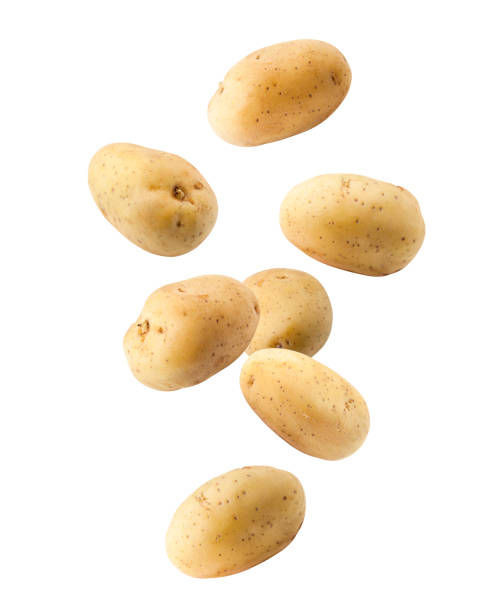
Low-Phenolic Potatoes (Lower Risk): Your classic Russet (high starch) or Yukon Gold (medium starch/waxy) potatoes are generally safer. While they still contain the compounds, their concentration is lower, making the reaction with iron less likely or less intense.
The Golden Rule: If you are using a new type of potato or have known high-iron water, stick to the tried-and-true white or gold varieties to ensure a perfectly creamy, white soup.
👨🍳 Pro Tip: Before committing a whole bag of potatoes to your soup, try a test boil. Boil a small handful of diced potatoes in a cup of your tap water for 10 minutes. If they start to develop a pink or gray tint, you know the culprit is your water, and you must switch to filtered or bottled water for the main soup.
The Immediate Rescue Mission: Can I Still Eat the Soup?
The moment of truth: is my pink soup poison?
Absolutely not. As stated before, the color change is merely a harmless, visual defect caused by naturally occurring compounds. The soup’s flavor and texture are completely unaffected.
Actionable Advice:
Taste Test: If it smells and tastes good, it is good to eat. Period.
The Fix (Visual): If you can’t get past the color, you might be able to neutralize the pigment by introducing a small amount of acid. Stir in one to two tablespoons of fresh lemon juice or a splash of white wine vinegar. Sometimes, this can adjust the enough to dissipate the color back toward the cream/white spectrum. (Note: This is not guaranteed, but it’s worth a shot!)
Embrace It: If the acid trick fails, serve it with a garnish that distracts the eye—a heavy swirl of green chive oil, a sprinkle of bright parsley, or a dollop of contrasting sour cream. It’s still delicious!
From Clear to Creamy: Preventing Pinkness in Your Next Batch
Now that we’ve diagnosed the problem, let’s talk about prevention. A few simple adjustments to your technique can guarantee a beautifully colored potato soup every single time.
The Essential Acidic Shield: Lemon, Vinegar, or Wine
This is the single most important preventative measure. The key to stopping the phenolic-iron reaction is to introduce a touch of acid (a lower ) early in the cooking process.
The Science: The phenolic compounds react poorly with iron in an alkaline (high ) or neutral environment. By adding acid, you adjust the and make it chemically difficult for the color-producing bond to form.
The How-To: When you add your potatoes and stock to the pot, immediately squeeze in about 1 teaspoon of fresh lemon juice or 1 tablespoon of white wine. This small amount is not enough to make the soup taste sour, but it is enough to protect the color. Alternatively, if you are deglazing with wine before adding stock, that acidity will also do the trick!
Choosing Your Cookware Wisely
Avoid anything that could leach iron into your neutral, starchy base.
Avoid: Cast iron pots, heavily scratched or low-quality stainless steel pots, and cheap aluminum.
Choose: Enameled cast iron (like Le Creuset), high-quality stainless steel (18/10 grade), or ceramic-lined pots.
Pre-Prep: If you must use a metal bowl to hold your chopped potatoes before cooking, cover them completely with water and a squeeze of lemon juice.
The Potato Soup Post-Mortem: A Chef’s Q&A
Why Did My Potato Soup Turn Gray Instead of Pink?
If your soup turned gray, you are likely dealing with classic oxidation. This is almost always a sign that you prepared the soup too far in advance, or you used a metal spoon to mash and left it sitting in the pot for a long time. The solution is the same as the pink soup: minimize air exposure and introduce a slight amount of acid early on.
Is Pink Potato Soup Safe for Babies or Pregnant Women?
Yes, absolutely. Since the pink color is just a visual manifestation of a trace mineral bond, it presents no food safety concerns. It’s entirely non-toxic and is simply a common culinary quirk.
How Can I Test My Water for Iron Content?
You can purchase inexpensive, simple iron testing strips online or at a local hardware store. This is a great investment for any serious cook. Knowing your water’s mineral content dictates whether you need to rely on filtered water for light-colored soups and sauces.
Does High Heat Make the Potatoes Turn Pink Faster?
Yes, high heat is a catalyst. The chemical reaction that causes the discoloration happens much faster at a boil than at a gentle simmer. Always cook your potato soup ingredients at a lower, controlled temperature. The quick, aggressive heating of the cell walls encourages the rapid release and reaction of the phenolic compounds.
Can I Peel My Potatoes Ahead of Time to Prevent Discoloration?
You can, but you must prevent air exposure. If you peel and chop potatoes hours before cooking, place them in a bowl and completely submerge them with cold, clean water. Add half a teaspoon of lemon juice to this water. This blocks the air (oxygen) and acidulates the surface, stopping any premature oxidation or browning.
Ready to Serve?
You now hold the secret to the perfect, creamy-white potato soup. The key is never to panic when a kitchen oddity arises. Instead, treat it like the fun food-science experiment it is! Next time you stand over your pot, remember the Iron-Phenolic bond and pour in that protective splash of lemon or wine. Your future self, and your dinner guests, will thank you for the beautiful, vibrant results.