Why Do My Fries Taste Bitter? 5 Common Mistakes to Avoid
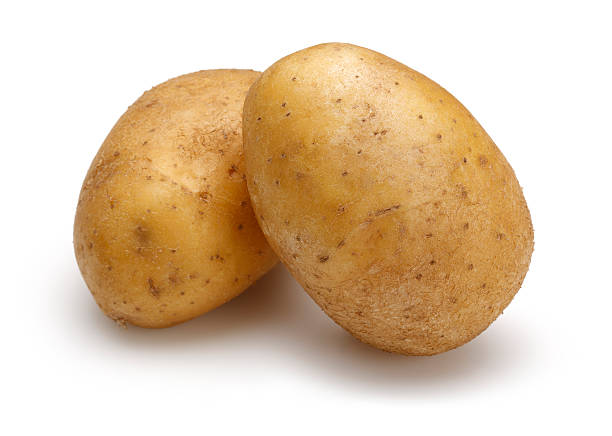
Why do my fries taste bitter? This unpleasant flavor profile usually results from acrylamide formation caused by frying potatoes with high sugar content (often due to cold storage), using oil that has surpassed its smoke point and oxidized, or cooking potatoes containing solanine (green spots). Learning how to select the right potato and maintain proper oil temperature is key to fixing this.
There is a specific kind of heartbreak reserved for the home cook who spends an hour peeling, chopping, and frying, only to bite into a french fry that tastes like burnt rubber and regret. You expect that fluffy, salty, golden interior, but instead, your palate is hit with a sharp, lingering acridity.
I remember the first time this happened to me in a professional kitchen. I had prepped fifty pounds of Russets, only to have the head chef spit the first batch out. It wasn’t my technique that was wrong—it was the chemistry. When we ask, “why do my fries taste bitter,” we are usually dealing with a clash of science, heat, and ingredient quality. It’s rarely just “bad luck.”
Let’s diagnose exactly what went wrong in your fryer so you never have to toss a batch again.
The #1 Culprit: The Breakdown of Your Frying Medium
Before we blame the potato, we have to look at the bath it swam in. Oil is not a static ingredient; it is volatile.
When you heat oil, you are pushing it toward its breaking point. If you used an unrefined oil (like Extra Virgin Olive Oil) or an oil with a low smoke point for deep frying, the heat likely caused the chemical structure of the oil to disintegrate before the potatoes were even cooked.
When oil breaks down, it undergoes oxidation. This process releases polar compounds and free fatty acids that taste distinctly harsh and bitter. If you see blue-grey smoke rising from your pot before you even drop the fries, that oil is dead. It will coat your perfectly cut potatoes in a bitter film that no amount of salt can hide.
The Cold Storage Trap: The Starch-to-Sugar Conversion
This is the most common reason for bitter fries, and it happens before you even pick up a knife.
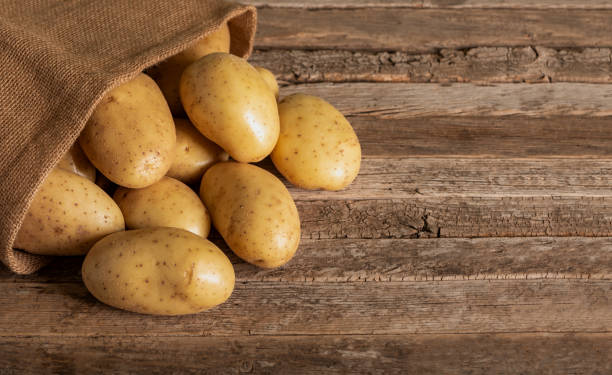
Potatoes are complex tubers. When they are stored in temperatures below 42°F (around 6°C)—like in a standard refrigerator—a physiological process kicks in. The potato, trying to survive the cold, converts its complex starches into simple reducing sugars (glucose and fructose).
Why does this matter?
Sugar burns much faster than starch. When you drop a high-sugar potato into 350°F oil, the sugars on the outside carbonize rapidly. The result is a fry that looks dark brown or black on the outside but is still raw on the inside. That dark, carbonized sugar creates a flavor profile that is deeply bitter.
The Fix: Never store your frying potatoes in the fridge. Keep them in a cool, dark pantry.
The Maillard Reaction vs. Acrylamide Formation
Cooking is chemistry. The “golden brown” color we all crave on a french fry comes from the Maillard Reaction—a chemical reaction between amino acids and reducing sugars that gives browned food its distinctive flavor.
However, when you push this reaction too far, or when the sugar content is too high (as mentioned above), you enter the territory of Acrylamide.
Acrylamide is a chemical compound that naturally forms in starchy food products during high-temperature cooking. Not only is acrylamide a potential health concern, but it also tastes terrible. It provides that acrid, “burnt toast” flavor that lingers on the back of your tongue. If your fries are dark brown rather than golden, you have likely created an excess of acrylamide.
The Green Menace: Solanine Toxicity
Sometimes, the bitterness isn’t from the cooking process; it’s a warning sign from nature.
Have you ever peeled a potato and noticed a greenish tint just under the skin? That is chlorophyll, which indicates the potato has been exposed to light. While chlorophyll is harmless, its presence usually indicates the development of Solanine.
Solanine is a glycoalkaloid poison found in species of the nightshade family. It is naturally bitter to deter animals (and humans) from eating the plant. If you fried potatoes that had significant green patches, that bitterness is Solanine.
Warning: Solanine does not break down in the deep fryer. If your potato is green, the bitterness will persist, and in large enough quantities, it can cause digestive distress.
Seasoning Blunders: When Garlic Turns Against You
We often want to elevate our fries with gourmet seasonings. Maybe you tossed your raw potato wedges in garlic powder, paprika, or dried herbs before dropping them in the oil.
This is a rookie mistake that even I have made. Dried spices, especially garlic and onion powder, burn almost instantly at deep-frying temperatures (325°F – 375°F). That “black dust” clinging to your fries isn’t pepper; it’s incinerated garlic. Burnt garlic is incredibly potent and will ruin the entire batch with a bitter, charcoal taste.
👨🍳 Pro Tip: If you suspect your potatoes have been stored in the cold (high sugar content), you can “rescue” them. Peel and cut the fries, then soak them in warm water for 30 minutes before frying. This helps leach out some of the excess surface sugars and starch, giving you a better chance at a golden, non-bitter crust.
The Chef’s Protocol for Perfect, Non-Bitter Fries
To ensure your next batch is restaurant-quality, follow this checklist:
Choose the Right Potato: Use Russet (Idaho) potatoes. They have high starch and low moisture, ideal for frying.
Check the Oil: Use a neutral oil with a high smoke point (Canola, Peanut, or Grapeseed). Ensure it is fresh and hasn’t been overheated in previous sessions.
Inspect for Green: Aggressively peel away any green skin or flesh. If the whole potato looks green, compost it.
The Double Fry Method:
First Fry (Blanching): Cook at a lower temp (325°F) until soft but pale.
Rest: Let them cool.
Second Fry (Crisping): Flash fry at a higher temp (375°F) for color and crunch.
Season Post-Fry: Only salt and toss with spices after the fries come out of the oil, while they are still hot and draining.
Serving Up Success Next Time
Understanding why do my fries taste bitter is the first step toward mastering the art of the deep fry. It is rarely a reflection of your ability to cook, but rather a variable in your ingredients or tools that went rogue. Whether it was a sugar-loaded cold potato or a bottle of oil that had seen better days, you now have the knowledge to correct course.
Next time, treat your ingredients with the respect they deserve, watch your temperatures, and trust your eyes. If it’s turning dark too fast, pull it out. Your palate will thank you.
Troubleshooting the Fryer (FAQ)
Can I eat bitter fries?
If the bitterness comes from burnt seasoning or slightly overcooked starch, they are safe to eat, though unpleasant. However, if the bitterness is caused by Solanine (green potatoes) or highly rancid oil, you should discard them to avoid digestive issues or potential toxicity.
How do I remove the bitter taste from fries?
Once the fries are cooked and bitter, you cannot remove the taste. You can try to mask it with vinegar, heavy salt, or a dipping sauce like malt vinegar aioli, but the bitterness is chemically part of the food. Prevention is the only real cure.
Which oil prevents bitter flavor?
Refined Peanut oil and Safflower oil are excellent choices because they have very high smoke points (above 400°F) and neutral flavors. Avoid unrefined oils, butter, or old oil that has been filtered too many times.
Why do my air fryer fries taste bitter?
Air fryers circulate hot air intensely. If you use a spray oil with propellants (like soy lecithin) or if you leave the skin on potatoes that have high tannin levels, the rapid oxidation can cause bitterness. Also, check that your air fryer heating element is clean; burnt residue from previous meals can smoke and flavor your fresh food.
Does soaking potatoes stop them from tasting bitter?
Yes, it helps significantly. Soaking cut potatoes in cold water for at least 30 minutes (or overnight) removes excess surface starch and sugars. This prevents the fries from burning (Maillard reaction) too quickly, reducing the chance of acrid, bitter flavors developing.