3 Tricks Why Is My Fried Chicken Breading Falling Off Instantly?
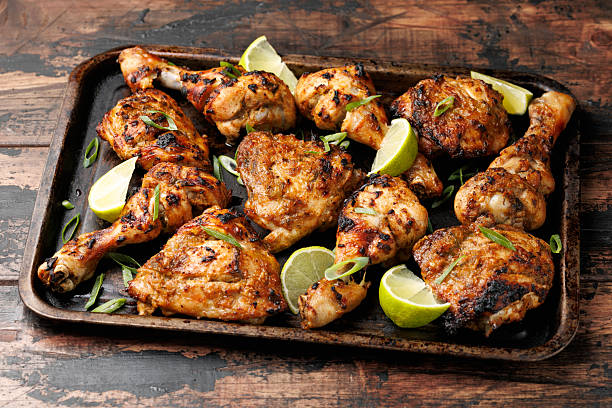
The Naked Drumstick Nightmare
It is the ultimate culinary heartbreak. You have spent time seasoning your flour, whisking your eggs, and carefully lowering your chicken into the hot oil. The aroma is intoxicating. You lift a golden-brown piece of poultry out of the fryer, anticipating that perfect, audible crunch. But then, disaster strikes. You take a bite, and the entire crust slides off in one sad, soggy sheet, leaving you with a piece of pale, naked meat. You are left staring at the plate, asking the universe, “Why is my fried chicken breading falling off?“
I have seen this happen to rookie line cooks and seasoned home chefs alike. It is not just a cosmetic issue; it ruins the texture and flavor balance of the dish. The crust is supposed to be a partner to the meat, not a removable jacket. Whether you are frying up a batch for a picnic or prepping the crispy protein for my Easy Sweet and Sour Chicken Recipe, adhesion is everything. Today, we are going to fix your friction problem. We are going to look at the physics of frying and turn that sliding shell into a second skin.
The Enemy is Surface Moisture
If I had to bet money on why your breading failed, I would put it all on moisture. Chicken is naturally wet. Breading is dry. If you try to stick dry flour onto wet, slick meat, it creates a layer of slime rather than a bond.
Furthermore, when that wet chicken hits the hot oil, the surface water turns to steam instantly. If the breading hasn’t bonded to the protein, that expanding steam puffs up underneath the crust, effectively inflating it like a balloon. Once the steam escapes, the crust collapses and detaches. According to food physics and the properties of chicken as food, surface management is the first step to success.
The Fix: The Paper Towel Pat-Down
Do not just shake the chicken off. Take a paper towel and aggressively pat every inch of the bird bone-dry. You want the skin to feel tacky, not slippery. If you have time, leave the salted chicken uncovered in the fridge for an hour. The cold air acts as a dehumidifier, creating a sticky surface (pellicle) that grabs onto flour like Velcro.
The Three-Stage Dredge: Building the Glue
Many home cooks try to skip a step here. They dip the chicken in egg, then flour, and throw it in the pan. This is a recipe for failure. Egg wash slides right off raw chicken. You need a primer.
Think of painting a wall. You don’t just slap paint on drywall; you use a primer first. In frying, your first layer of seasoned flour is that primer. It mixes with the microscopic moisture on the chicken’s surface to create a paste. This paste is what holds onto the egg. The egg then holds onto the final layer of breading.
The Correct Order:
- Flour: Coat the dry chicken in seasoned flour. Shake off the excess. It should look dusty, not caked.
- Egg Wash: Dip into the beaten egg (and milk/buttermilk). Let the excess drip off.
- Breading: Press into your final coating (flour, panko, or crumbs).
The Great Mistake: Rushing the Pan
You have breaded the chicken. You are hungry. You throw it immediately into the fryer. Stop.
This is the second most common reason why is my fried chicken breading falling off. When you first coat the chicken, the flour is just sitting on top of the egg. It hasn’t hydrated yet. If you fry it now, the turbulence of the bubbling oil will wash the crumbs away.
Place your breaded chicken on a wire rack and let it sit for 15 to 20 minutes. During this “resting period,” the gluten in the flour absorbs the moisture from the egg wash. The coating transforms from a loose powder into a cohesive, sticky batter that adheres to the meat. When this hydrated layer hits the oil, it hardens into a solid shell rather than disintegrating.
Oil Temperature and the Steam Explosion
Your frying temperature dictates the behavior of the crust. If your oil is too cool (below 325°F), the breading acts like a sponge. It soaks up oil before it sets. Heavy, oil-logged breading is too heavy to stick to the meat; gravity pulls it off.
If your oil is too hot (above 375°F), the outer crust seals instantly, but the moisture inside the chicken boils violently. This rapid expansion of steam blows the crust off the meat. Maintain a steady temperature of 350°F (175°C). This allows the crust to set firmly while the meat cooks gently, minimizing the steam pressure that separates the two.
Handling Habits: Stop Poking It
We love to play with our food. We want to check the bottom, move it around, and flip it constantly. Put the tongs down.
When you first drop chicken into the fryer, the crust is fragile and soft. If you grab it with metal tongs, you will crack the seal. Once the seal is cracked, oil rushes underneath the breading. The oil separates the skin from the crust, and it is game over. Let the chicken float and fry undisturbed for at least 3 minutes. Only flip it when you see a solid golden edge forming. Be gentle.
Salvaging the Failures
Okay, so you read this too late, and you have a batch of naked fried chicken. Do not throw it away. It still tastes like chicken, right? The texture is just wrong.
Peel off the soggy breading (it’s sad, I know). Shred the meat and use it for tacos, chicken salad, or soup. If you have the bones, toss them into a pot to make my Rich Chinese Chicken Broth Recipe. The frying process actually adds a nice roasted flavor to the stock. If you have some fond (brown bits) left in the pan that didn’t burn, you can also try to whip up a quick Pan Sauce to pour over the “naked” meat to hide the imperfection.
The “Press” Technique
When you are applying that final layer of breading, do not just roll the chicken in the flour. Press it.
Use the heel of your hand to physically force the crumbs into the meat. You want to compact the breading. If you just lightly toss it, you create air pockets. Air pockets fill with steam, and steam pushes the crust off. Press down hard, then gently shake off the loose bits. This mechanical pressure ensures a tight bond.
Conclusion: Patience Creates Crunch
Fixing the issue of why is my fried chicken breading falling off usually requires doing less, not more. Touch it less. Rush it less. Let it rest more. By respecting the drying and resting phases, you allow the chemistry of the flour and egg to do the work for you.
Next time you set up your breading station, remember: Dry meat, press hard, and wait 15 minutes. Your patience will be rewarded with a crust that shatters when you bite it, not when you touch it. Do you have a secret ingredient in your dredge? I swear by a pinch of baking powder. Let me know yours in the comments!
Frequently Asked Questions
Can I use milk instead of eggs for the wash?
You can, but eggs are a much better “glue.” The proteins in egg whites coagulate (harden) when heated, creating a firm bond between the flour and the chicken. Milk adds moisture and flavor, but it lacks the binding power of egg protein. If you are out of eggs, use buttermilk or heavy cream for a thicker consistency.
Why is my breading soggy underneath?
This usually happens because the chicken was resting on a flat surface (like a plate) or paper towels after frying. Steam gets trapped between the hot chicken and the plate, turning the crust into mush. Always drain fried chicken on a wire rack so air can circulate underneath.
Does removing the skin help the breading stick?
Yes, breading actually sticks better to the meat itself than to slippery chicken skin. However, the skin provides fat and flavor. If you keep the skin on, ensure it is extremely dry and devoid of excess fat deposits before breading.
Can I double bread the chicken for extra crunch?
Absolutely. To double bread, follow the standard procedure (Flour > Egg > Flour), then dip it back into the egg and back into the flour a second time. This creates a super-thick, crunchy crust. Just be aware that a thicker crust requires slightly longer frying times and careful temperature management.
Should I cover the pan while frying chicken?
Generally, no. Covering the pan traps steam. As we have learned, steam is the enemy of a crispy, adherent crust. Covering the pan will “steam-fry” the bird, leading to a softer crust that is more likely to slide off. Keep the lid off for maximum crunch.