Why Is My Roast Chicken Skin Soft? The Ultimate Crispy Guide
The Sound of Silence (and Disappointment)
The sound should be undeniable. That distinct, shattering crack when a knife meets golden-brown poultry skin is the hallmark of a perfect Sunday dinner. It triggers a primal hunger response. But all too often, that sound is missing. Instead, the knife slides silently through a pale, rubbery exterior that feels more like a wet towel than a culinary masterpiece. It is the most common frustration I hear from home cooks.
If you are staring at a sad, beige bird on your carving board and asking yourself, “Why is my roast chicken skin soft?” you are not failing as a cook; you are likely fighting physics. The battle for crispiness is a war between moisture and heat. Unlike the batter-fried crunch of our easy sweet and sour chicken recipe, which relies on starch and deep-frying, roasting requires a delicate balance of rendering fat and evaporating water simultaneously. If that balance tips even slightly toward moisture, you get steam. And steam is the enemy of crunch.
The Physics of Flabby Skin: Moisture vs. Mallard
To fix the problem, you have to understand the architecture of a chicken. The skin is not just a wrapper; it is a complex layer of water, protein, and a significant amount of fat. Underneath that skin lies even more water in the meat. When you put a chicken in the oven, you are trying to achieve two contradictory goals: keep the meat wet and make the skin bone-dry.
According to general Chicken as food science, the skin acts as a barrier. As the meat cooks, it releases steam. If that steam gets trapped under the skin, or if the oven environment is too humid, the skin boils instead of roasting. Boiled skin is soft, gelatinous, and chewy. To get that glass-like texture, we need to maximize the Maillard reaction (browning) and dehydration.
The Fridge-Dry Technique: Patience Pays Off
The biggest mistake most people make happens before the oven is even turned on. They take the chicken out of the plastic wrapper, season it, and roast it immediately. This is a guaranteed recipe for softness. The chicken sitting in that package is soaked in its own juices.
The Fix: Unwrapp the bird the night before. Pat it down aggressively with paper towels—inside and out. Then, place it on a wire rack set over a baking sheet and put it in the fridge, uncovered, for 24 hours. The cold, circulating air of the refrigerator desiccates the surface of the skin. It will look translucent and slightly leathery the next day. This is perfect. That lack of surface moisture means the heat can immediately start crisping the skin rather than wasting energy evaporating water.
The Dry Brine Revolution
While your chicken is air-drying in the fridge, it should also be salting. We call this “dry brining.” Salt is hygroscopic; it draws moisture out. Initially, you will see beads of water on the skin. But over time, that salty brine gets reabsorbed into the meat, seasoning it deep down, while the surface skin dries out completely.
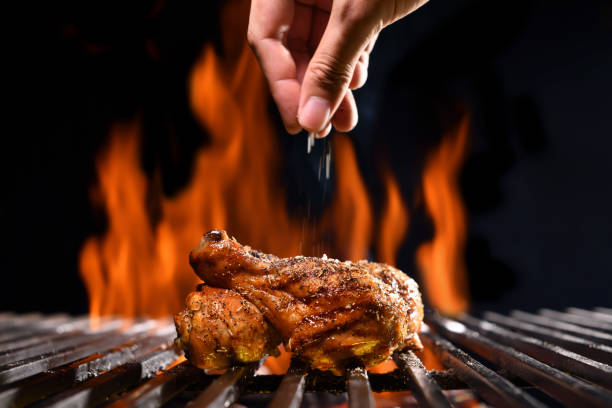
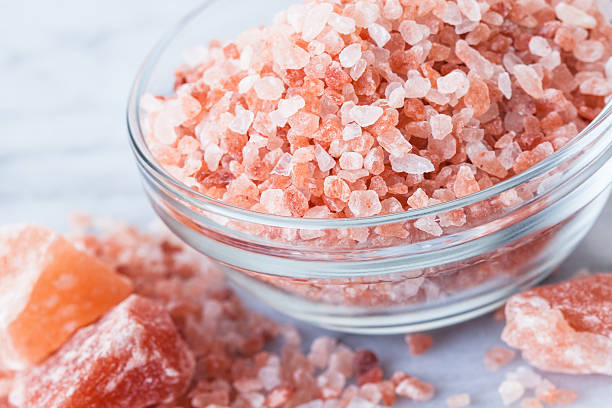
Use coarse Kosher salt. Sprinkle it liberally over every inch of the bird, getting into the crevices of the wings and legs. This creates a chemical environment where crispiness can thrive.
Heat Management: Stop the Low and Slow
There is a time for low and slow cooking—usually for tough cuts like brisket or pork shoulder. Whole chicken is not that time. If you roast a chicken at 325°F (165°C), you are essentially gently poaching it in the oven air. The fat under the skin will melt slowly, but it won’t render out fast enough to fry the skin from the inside.
Crank it up. Start your roast at 425°F (220°C) or even 450°F (230°C). This intense blast of heat shocks the skin, forcing the fat to liquefy rapidly and fry the skin tissue. If you are worried about the meat drying out, you can drop the temperature to 375°F after the first 20 minutes, but that initial thermal shock is non-negotiable for texture.
The Basting Myth: Put the Spoon Down
I see this in old cookbooks constantly: “Baste every 20 minutes.” Please, for the love of crispiness, stop basting. Every time you open the oven door, you lose heat. Every time you spoon liquid over the bird, you are re-wetting the skin you worked so hard to dry out.
You are essentially giving your chicken a shower in the middle of a tanning session. Let the bird roast undisturbed. If you want flavor, add it at the end in the form of a sauce. In fact, save those drippings that accumulate in the pan. They are liquid gold and the foundation for the easiest pan sauce recipe for any steak, chicken, or pork.
Surface Area Strategy: The Spatchcock Method
A round, trussed chicken looks pretty on a Norman Rockwell magazine cover, but it cooks unevenly. The legs are tucked against the body, creating steam pockets where the skin will forever remain soggy. The back is sitting in liquid, turning to mush.
Butterfly the bird. Use kitchen shears to cut out the backbone and press the chicken flat (spatchcocking). This puts all the skin on the same level, facing upward directly at the heat element. It exposes the leg skin that is usually hidden. Not only does this guarantee 100% crispy skin coverage, but it also cuts your cooking time in half. Don’t throw away that backbone, by the way. Roast it alongside the bird and then use it to simmer a rich Chinese chicken broth recipe for perfect wonton soup later in the week.
Fat is Your Friend
While the chicken has its own fat, it needs a kickstart. Before the bird goes into the oven, it needs a lipid barrier to conduct heat. Many cooks use butter, but butter contains water and milk solids which can steam or burn. Oil is better, but my secret weapon is mayonnaise.
Yes, mayonnaise. It is essentially oil and egg protein emulsion. Rub a thin layer over the dried skin. It won’t taste like mayo when cooked; the vinegar evaporates, and the oil/protein mixture helps browning occur faster and more evenly than oil alone.
The Resting Tragedy: Don’t Tent It!
You have done everything right. You air-dried, you dry-brined, you blasted it with heat, and you spatchcocked. The skin is crackling. You pull it out of the oven, put it on a board, and then… you cover it tightly with aluminum foil.
You just killed your crunch. Tenting a hot bird traps the rising steam directly against the crispy skin, turning it soft in a matter of minutes. Let the chicken rest uncovered in a warm place (like near the stove). It will stay hot for a long time. The slight loss of surface heat is a worthy sacrifice to maintain that texture you worked so hard for.
Troubleshooting Your Oven Setup
Sometimes the issue isn’t the bird; it’s the equipment. If your oven has a convection setting (fan), use it. The moving air whisks away the microscopic cloud of steam that surrounds the chicken, drying the skin much faster than still air. It mimics the effect of a commercial rotisserie.
Also, check your rack position. If the chicken is too low, the skin won’t get enough radiant heat from the top of the oven. Position the rack in the upper third of the oven, but keep an eye on it to ensure it doesn’t char before the meat is cooked.
Final Thoughts on Achieving Poultry Perfection
Achieving that perfect roast chicken—the kind where the skin shatters like crème brûlée—is a rite of passage. It requires ignoring some old wives’ tales (basting) and embracing a bit of science (drying and high heat). It is about controlling moisture at every stage of the process.
Next time you prep a bird, give yourself that 24-hour head start. The difference between “dinner is ready” and “wow, how did you do this?” is often just a day of air-drying and a little bit of baking powder. Try these techniques, and banish rubbery skin from your kitchen forever.
Do you have a secret weapon for roast chicken? A special spice rub or a unique oven trick? Share your crispiness secrets in the comments below!
Frequently Asked Questions
-
Why is my roast chicken skin chewy?
Chewy skin is usually caused by low cooking temperatures or too much humidity. If the fat under the skin doesn’t render completely and the water doesn’t evaporate, the collagen in the skin turns gelatinous and chewy rather than crisp. -
Should I put butter under the chicken skin?
Putting butter under the skin is great for flavoring the meat, but it can actually make the skin softer because of the water content in the butter. For crispy skin, apply fat (oil or clarified butter) on top of the skin. -
Does baking soda make chicken crispy?
No, use baking powder. Baking soda can leave a metallic, soapy taste. Baking powder contains acid and alkali, which creates tiny bubbles and helps brown the proteins without the bad aftertaste. -
How do I keep chicken moist while making the skin crispy?
The best way is to avoid overcooking the meat. Use a meat thermometer. Pull the chicken when the breast hits 155°F (68°C) and let it rest; carryover cooking will take it to 165°F. This keeps the juice in the meat while your high-heat method crisps the skin. -
Can I crisp up soft chicken skin after cooking?
Yes. If you pull the chicken out and the skin is soft, you can put it under the broiler (grill) for 2-3 minutes. Watch it like a hawk, as it can go from crispy to burnt in seconds.