Why You Should Never Put Cream in Carbonara: A Delicious Disagreement
The Origins of Carbonara: A Brief History
Carbonara is a classic Italian dish that originates from the region of Lazio, particularly Rome. Its roots can be traced back to the mid-20th century, although various theories about its inception abound. One popular hypothesis suggests that the dish was created by Italian charcoal workers, or “carbonari,” who used simple ingredients, easily transportable in their lunchboxes, to prepare a hearty meal. This theory lends the dish its name, as “carbonara” is derived from “carbone,” meaning charcoal.
Traditionally, the essential ingredients for authentic carbonara include guanciale, eggs, Pecorino Romano cheese, and black pepper. These components create a rich and flavorful sauce that is a hallmark of Roman cuisine. The absence of cream in the original recipe exemplifies the importance of using high-quality ingredients that produce a creamy texture purely from the emulsification of the rendered fat from the guanciale and the egg yolks. This traditional preparation highlights why you should never put cream in carbonara, as doing so diminishes the authenticity of the dish and alters its intended flavor profile.
Over the years, the recipe has gained international popularity, leading to numerous interpretations and adaptations that have emerged in various cultures. While some variations incorporate cream or other ingredients, these adaptations often stray from the traditional Roman version, which celebrates simplicity and quality. In Italy, culinary purists argue that deviating from the classic recipe not only dilutes the dish’s essence, but also distorts its cultural significance. Thus, preserving the original identity of carbonara is important for honoring its rich history and the culinary traditions of Italy.
The Classic Ingredients: What Goes into Real Carbonara?
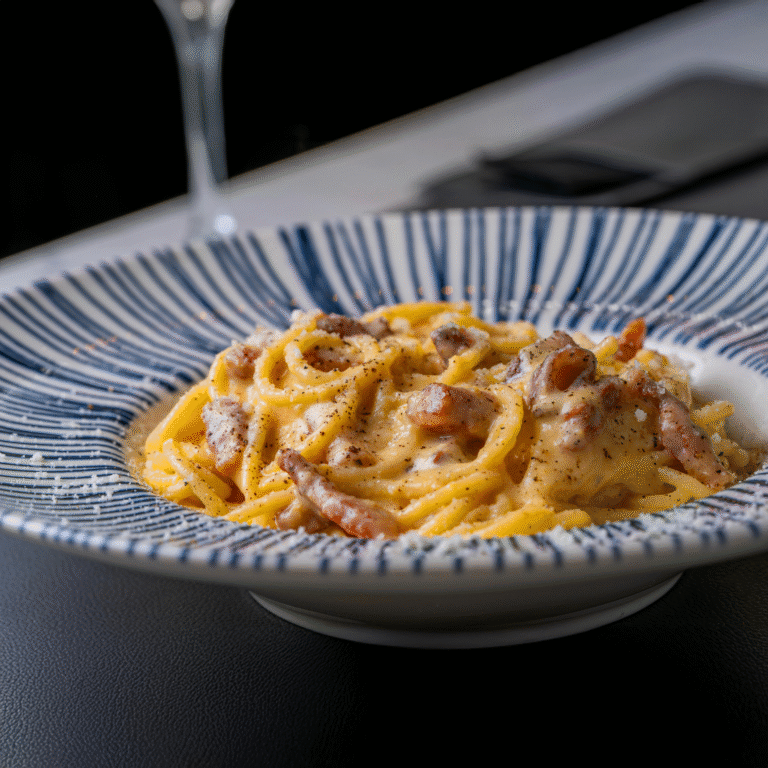
Carbonara is a traditional Italian dish that has gained recognition worldwide for its distinct flavor profile and creamy texture, which is achieved without adding any cream. The integrity of authentic Carbonara lies in its classic ingredients: guanciale, pecorino Romano cheese, eggs, and black pepper. Understanding these components is fundamental to appreciating why you should never put cream in carbonara.
To begin with, guanciale, or cured pork cheek, is the star of the dish. Its rich, unctuous fat renders beautifully when cooked, creating the foundation of the sauce. Substituting guanciale with bacon or other alternatives diminishes the authentic flavor that true Carbonara aficionados cherish. A playful anecdote among chefs is the admiration for the artisan farmers who raise the pigs, imparting values of quality and tradition through their craft.
Next, pecorino Romano cheese adds a sharp and tangy flavor that balances the richness of the guanciale. This hard, salty cheese is made from sheep’s milk and contributes significantly to achieving the dish’s desired creaminess, produced naturally when combined with the beaten eggs. It is important to use high-quality cheese, as it enhances every bite, lending an irresistible depth of flavor.
Eggs play a pivotal role as well—they act as the binding agent, creating the luscious consistency that people associate with Carbonara. When combined with the residual heat from the pasta, the eggs transform into a silky sauce that coats the spaghetti beautifully. Finally, the addition of freshly cracked black pepper elevates the dish, bringing a spicy kick that complements the other ingredients without overpowering them.
In conclusion, the beauty of Carbonara lies in the harmony and quality of its traditional ingredients. Each component contributes to the dish’s authenticity, underscoring why you should never put cream in carbonara, as it dismantles the essence of what makes this Italian classic so beloved.
The Creamy Controversy: Breaking Down the Myths
The traditional recipe for Carbonara is an embodiment of simplicity and flavor, relying on a few core ingredients. However, a common dispute exists surrounding the inclusion of cream. Many argue that cream enriches the dish, but a closer examination reveals that this belief is rooted in misconception rather than culinary authenticity. The essence of authentic Carbonara lies in the use of eggs, cheese, guanciale, and pasta water, which together create a rich, yet unctuous sauce. Adding cream not only alters the traditional texture but also masks the essential flavors of these key ingredients.
One of the main arguments in favor of cream is its ability to create a velvety texture. While this might be appealing, it is important to recognize that the creamy consistency can also be achieved through the use of starchy pasta water and egg yolks. When combined, these elements form a luscious sauce that is just as satisfying, if not more so, than any cream-based alternative. Additionally, the inclusion of cream can create an overpowering richness that detracts from the balance of flavors typical of a well-made Carbonara.
Proponents of cream often point to variations of Italian cuisine that incorporate it, suggesting that it is an acceptable practice. However, it is crucial to distinguish between traditional recipes and modern adaptations. The true beauty of Carbonara lies in its simplicity; each ingredient should stand out rather than be blended into a singular creaminess. Adoption of cream potentially overshadows the distinct tastes that come from the rich, salty guanciale and the sharp, nutty flavor of Pecorino Romano cheese. Therefore, it is advisable for purists and novices alike to embrace the true essence of Carbonara and appreciate the flavorful harmony that exists when cream is left out of the equation.
Why Cream Ruins Carbonara: The Culinary Science
When discussing the classic Italian dish, it is essential to understand the traditional preparation methods that define its character. One prominent argument among food enthusiasts is why you should never put cream in carbonara. This debate delves into the culinary science that underscores the dish’s authenticity and integrity.
Carbonara’s quintessentially creamy texture is achieved through the use of emulsification, a process where ingredients blend into a cohesive sauce. The secret to this delightful consistency lies primarily in the combination of eggs and rendered pork fat from guanciale or pancetta. When properly mixed, the heat from the pasta causes the eggs to gently cook and create a silky coating that clings to each strand of spaghetti.
By introducing cream into the equation, you disrupt this carefully balanced emulsification process. Cream can dilute the rich flavors inherent to the dish. Instead of the bold and savory profile derived from the egg and pork fat combination, the addition of cream results in a less distinct flavor, masking the nuanced taste of the guanciale. Furthermore, cream may lead to a heavier and less cohesive sauce, detracting from the light, luxurious texture that traditional carbonara is celebrated for.
Moreover, cream changes the overall mouthfeel of the dish. A true carbonara should present a delicate creaminess that envelops the pasta, achieved purely through the interaction of starch and proteins. With cream, the sauce may become overly rich and unbalanced, compromising the intended experience. Therefore, understanding the role of each ingredient is crucial to preserving the authentic essence of carbonara. It is clear that omitting cream is essential for retaining the traditional flavors and textures that have made this dish beloved worldwide.
The Taste Test: Cream vs. No Cream
In a culinary experiment that promises both laughs and delightful surprises, we invited a group of food enthusiasts to participate in a taste test, sampling two versions of carbonara: one made with cream and the traditional recipe devoid of this controversial ingredient. The excitement in the kitchen was palpable as pasta boiling filled the room, setting the stage for our delicious disagreement about why you should never put cream in carbonara.
As the participants gathered, the air buzzed with anticipation. Some expressed loyalty to the creamy version, touting it as a comfort food classic, while others asserted the superiority of the non-creamy, authentic carbonara, insisting that it upholds the true essence of Italian cuisine. While plates were prepared, it became clear that this wasn’t just about taste; it was also about pride in culinary traditions.
Once the tasting commenced, reactions were varied yet insightful. The cream-infused carbonara elicited reactions of warmth and richness, with some participants enjoying its luscious texture. However, when sampling the traditional form, immediate compliments flowed, highlighting its beautifully balanced flavors of eggs, cheese, and guanciale. One particularly animated participant exclaimed, “This is how carbonara is meant to be enjoyed!” The difference in texture and flavor profiles prompted amusing debates about what constitutes ‘true’ carbonara.
As the plates were cleared away, a consensus began to emerge. Many participants expressed a newfound appreciation for the nuances of the traditional recipe, citing its ability to showcase each ingredient’s unique character. Ultimately, the taste test demonstrated not only the charm of authentic pasta dishes but also reinforced the notion of why you should never put cream in carbonara—preserving authenticity and honoring culinary heritage reigns supreme!
Common Mistakes to Avoid When Making Carbonara
Preparing an authentic Carbonara can be a delightful yet challenging culinary endeavor. However, there are several common mistakes that home cooks often encounter, which can detract from the dish’s overall quality and authenticity. One of the most significant errors is overcooking the pasta. Carbonara relies on al dente pasta, which retains a slight firmness, allowing it to absorb the sauce’s flavors fully. Overcooked pasta becomes mushy and loses the desired texture, resulting in a less satisfying meal.
Another frequent misstep is the improper choice or inadequate quantity of cheese. Traditional Carbonara features Pecorino Romano, which contributes a salty, rich flavor essential to the dish. Using less cheese or substituting it with another type diminishes the taste and can lead to a bland experience. Additionally, many cooks find themselves hesitant to generously incorporate cheese, fearing it may make the dish too heavy, not realizing that the right amount of high-quality cheese is vital in achieving the authentic Carbonara flavor profile.
Additionally, the method of combining the ingredients can be pivotal. A common error occurs when people add cream to their Carbonara. This not only strays from the classic recipe but also alters the texture and flavor in undesirable ways. Avoiding the addition of cream is crucial; instead, focus on the emulsification of the egg yolks with the hot pasta and rendered fat from the guanciale to create that creamy, luscious sauce. Neglecting to follow this step can lead to a disappointing and non-traditional dish.
Ultimately, avoiding these pitfalls can help you create a Carbonara worthy of any Italian kitchen. By attentively cooking the pasta, choosing the right cheese, and correctly mixing the ingredients, you will honor the authenticity of this classic dish, paving the way for a delicious experience without the unwanted distraction of cream.
Beyond the Sauce: Variations of Carbonara You Can Try
While the classic Roman recipe for carbonara is cherished for its simplicity and rich flavors, there is ample room for creativity within its parameters. The essential components of the dish—pasta, guanciale, eggs, cheese, and pepper—offer a solid foundation on which to build. Nonetheless, one should always adhere to the principle of why you should never put cream in carbonara, as it strays too far from the original intentions of this iconic dish.
One of the most delightful variations of carbonara involves the choice of pasta. While spaghetti is the traditional option, switching to bucatini or fettuccine can create new textures and experiences. Bucatini provides a delightful chewiness and a hollow center that can cradle the sauce, while fettuccine adds a broader surface area for flavor absorption. Opting for a different pasta can enhance your dish while maintaining authenticity.
Another exciting variation is the incorporation of seasonal vegetables. Adding peas, asparagus, or mushrooms can elevate the dish without compromising its integrity. These ingredients introduce freshness and a burst of flavor, demonstrating that carbonara can be elegant while still paying homage to its roots. Just remember, these additions should complement the original flavor profile rather than dominate it, allowing the essence of the dish to remain intact.
For those seeking to experiment further, consider introducing a hint of spice. A dash of red pepper flakes can provide a surprising warmth. Similarly, offering a twist with smoked pancetta will deliver a different yet complementary flavor, while still adhering to the guideline of why you should never put cream in carbonara.
Ultimately, the art of modifying carbonara lies in respect for its traditional roots while embracing innovation. By adhering to the foundational elements of the dish, one can explore and enjoy a variety of flavors without detracting from what makes carbonara so beloved.
FAQ: Quick Questions About Carbonara
When it comes to Carbonara, many culinary enthusiasts have questions about its traditional preparation and variations. One common inquiry is whether it’s acceptable to add vegetarian ingredients to this classic dish. The traditional Italian Carbonara is known for its simplicity, comprising egg, Pecorino Romano cheese, guanciale (or pancetta), and black pepper. While you can certainly experiment with vegetarian ingredients to create a meatless version, purists argue that it strays too far from the authentic recipe, which doesn’t allow for cream or any non-traditional inclusions. If you’re aiming for something closer to the original, it’s advisable to stick with the traditional ingredients.
Another frequent question revolves around how to properly store leftovers. Carbonara can be a delightful dish enjoyed in moderation, but it’s essential to know how to handle any uneaten portions. The best way to store your leftover Carbonara is to place it in an airtight container in the refrigerator. This should be done within two hours of cooking to prevent bacterial growth. Ideally, you should consume the leftovers within three days for the best taste and safety. Reheating the dish can be tricky, as you want to avoid overcooking the eggs; gently warm it in a pan or microwave, possibly adding a splash of pasta water to maintain its creamy texture.
Lastly, many wonder what the best pasta to use for Carbonara is. The traditional choice is spaghetti, but other long pasta types like fettuccine or bucatini can also be excellent options. Each type offers a distinct texture that can complement the rich sauce made from eggs and cheese without the distraction of cream. Remember, if you’re using a variation that incorporates cream, it is essential to be mindful of how it affects the integrity of the original dish.
Final Thoughts: Embracing Tradition with a Dash of Fun
Cooking is an adventure, and while experimenting in the kitchen can lead to delightful surprises, some dishes carry a heritage that deserves respect. The debate over whether one should add cream to carbonara is one such culinary discord. In Italy, authentic carbonara celebrates simplicity and tradition, relying on a handful of quality ingredients like guanciale, egg, Pecorino Romano cheese, and black pepper. These essentials create a rich, creamy texture distinctly without the addition of cream. Incorporating cream, although it may produce a pleasing result for some, strays from the genuine experience that carbonara offers.
For those who prefer a sumptuous, creamy sauce, exploring this dish through a traditional lens may highlight unexpected depths. One could relish the luxurious silky texture that originates solely from the emulsion of the eggs and cheese with the pasta cooking water. This technique not only preserves the essence of carbonara but also reinforces culinary skills that many chefs strive to master. Embracing these authentic methods can enhance your cooking journey and provide a greater appreciation for Italian cuisine.
While it is perfectly acceptable to add your personal twist to recipes, approaching carbonara with an understanding of its traditional roots offers a unique dining experience that can connect your meal to its rich cultural context. Food should be a source of joy, and one does not need to shy away from playfulness when it comes to cooking. So, if you find yourself tempted to reach for the cream, consider enjoying a traditional carbonara first. You might discover that the charm of this classic dish lies in its authenticity, and just as importantly, you can share a laugh with friends and family about the rules of culinary engagement. Ultimately, the joy in cooking is about exploration and enjoyment, with or without cream.