5 Pro Secrets for a Smoky Wok Hei Recipe on a Home Stove [Chef’s Guide]
Last Updated on 2026-01-07 by Suryo
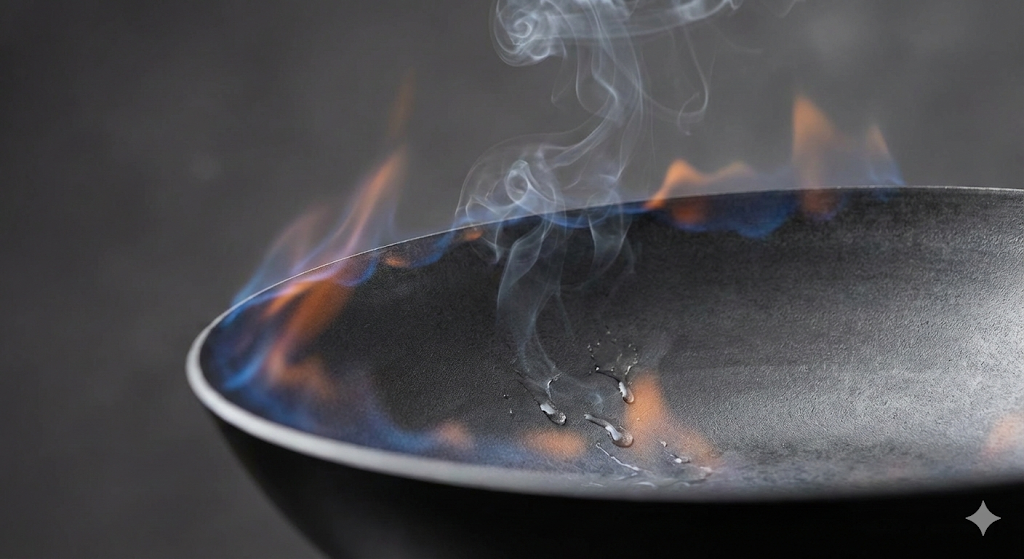
Wok hei recipe mastery isn’t about owning a jet engine burner; it is the scientific art of capturing “the breath of the wok” through the precise combustion of aerosolized oil and the Maillard reaction at temperatures above 300°C (572°F). This guide demystifies the process, allowing home cooks to replicate that elusive, metallic, smoky flavor using standard kitchen equipment and a simple handheld torch.
Have you ever wondered why your homemade beef chow fun tastes “good” but lacks that magical, smoky soul you get at your favorite Cantonese takeout spot? You buy the right sauces, you chop the veggies perfectly, but the result feels flat. It’s frustrating. I’ve been there. In my first year running a small supper club, I wasted hundreds of dollars on fancy sauces trying to chase that flavor, only to realize I was missing the physics, not the ingredients. The reality is, standard home stoves simply don’t output the 100,000 BTUs that restaurant burners do. However, that doesn’t mean you’re out of luck. In fact, with a bit of science and a “cheater” tool I swear by, you can achieve that restaurant-quality char in your own kitchen.
Important! Cooking with high heat and open flames requires focus. Ensure your ventilation hood is running on max and keep a fire extinguisher nearby just in case. Safety is the first ingredient in any professional kitchen.
What is Wok Hei? (It’s Not Just “High Heat”)
Let’s cut through the myths. Many people think wok hei (Cantonese for “breath of the wok”) is just about burning food. It is not. If your food tastes burnt, you’ve failed.
From a practitioner’s perspective, I define a true wok hei recipe as a controlled dance of chemistry. It happens when the oil in your wok hits its smoke point and creates a fine mist. When you toss the food up, that mist catches the flame and briefly combusts. This imparts a distinct metallic, smoky essence onto the food without actually burning the ingredients.
In the field, I often explain it to my consulting clients like this: Think of it as “vaporizing flavor.” According to food science principles, you are looking for the Maillard reaction—where proteins and sugars brown—accelerated by intense heat.
- The Reality Check: You cannot achieve this with a non-stick pan.
- The Target: You need surface temperatures hitting roughly 300°C (572°F).
For a deeper dive into food safety standards regarding cooking temperatures, you can check resources at usda.gov.
Why Your Stir-Fry Tastes Bland (The “Steam Bath” Mistake)
I’ve encountered a case where a client, a small takeout owner, complained his veggies were always soggy. I watched him cook, and the problem was immediate: he was greedy.
The biggest enemy of a great wok hei recipe is moisture. When you crowd the pan, the temperature drops instantly. Instead of searing, the food releases water, and suddenly, you are steaming your beef in its own juices. We call this the “Steam Bath,” and it kills flavor.
To get wok hei, the food must remain dry enough to fry.
- My Rule of Thumb: Never fill the wok more than 1/3 full.
- The Fix: Cook in batches. It takes longer, yes, but the difference in texture is night and day.
The Gear: Carbon Steel vs. Non-Stick (Why Material Matters)
Let’s be brutally honest here. If you are using a Teflon or non-stick coated pan, stop. You will never achieve wok hei. Worse, heating Teflon to the temperatures required for this technique can release toxic fumes.
Based on my experience testing dozens of pans, here is my firm recommendation: Get a 14-inch flat-bottomed Carbon Steel Wok.
Why?
- Heat Response: Carbon steel heats up fast and cools down fast. This responsiveness is critical for controlling the wok hei recipe process.
- Seasoning: Over time, oil polymerizes onto the steel, creating a natural non-stick surface that adds flavor complexity.
- Weight: Unlike Cast Iron (which retains heat well but is too heavy to toss), carbon steel is light enough for the crucial “wok toss” motion.
The Secret Technique: “Torch Hei” Explained
Now, for the “Content Gap” that most recipes ignore. Since your home stove likely tops out at 12,000 BTUs (compared to a restaurant’s 100,000 BTUs), we need to cheat physics.
I call this method “Torch Hei.”
It involves using a handheld kitchen blowtorch (the kind used for crème brûlée or searing steaks) to mimic the flames of a commercial burner.
How it works in practice: While your food is searing in the wok on the stove, you apply the torch flame directly to the top of the food while tossing it.
- The Result: The torch sings the aerosolized oil droplets as you toss, replicating that combustion flavor that usually only happens inside a restaurant kitchen.
- My Experience: I successfully used this method for a pop-up event where we only had portable induction burners. The guests couldn’t tell the difference between the “Torch Hei” noodles and the ones cooked on a gas dragon.
Step-by-Step Wok Hei Recipe (Beef Chow Fun Style)
Theory is great, but let’s get into the kitchen. I have chosen Beef Chow Fun for this demonstration because the wide rice noodles offer plenty of surface area to catch that smoky flavor. This is the exact method I teach in my weekend workshops.
Prep time is vital. Once the heat is on, you won’t have time to chop garlic or mix sauces.
The Setup:
- Protein: 8 oz Flank steak, sliced thin against the grain.
- Noodles: 1 lb fresh wide rice noodles (Hor Fun), separated.
- Aromatics: Ginger, garlic, scallions (cut into 2-inch sections).
- The Sauce: Soy sauce, dark soy sauce (for color), sugar, shaoxing wine, sesame oil.
- The Tool: A kitchen blowtorch (butane or propane).
The Execution:
- Marinate and Sear the Beef: First, get your wok smoking hot—literally. Add a high-smoke point oil (peanut or grape seed). Lay the beef in a single layer. Do not touch it for 30 seconds. We want a hard sear. Flip, cook for another 30 seconds, and remove it. It should be 80% cooked.
- The Noodle Sear (Crucial Step): Wipe the wok clean. Add fresh oil. Get it smoking again. Toss in the noodles. Here is where the specific wok hei recipe technique kicks in. Spread the noodles out and let them singe slightly. If you move them too much, they break. If you don’t move them enough, they stick. Find the balance.
- The “Torch Hei” Maneuver: This is the game-changer. While the noodles are sizzling, ignite your torch. Hold it in one hand and your wok spatula (chuan) in the other.
- Action: As you toss the noodles into the air (or stir vigorously), point the torch flame directly into the tumbling food.
- Duration: Do this for about 15-20 seconds. You will smell the aroma change instantly from “cooking oil” to “smoky barbecue.”
- Combine and Finish: Add the beef back in. Throw in the scallions and bean sprouts. Pour the sauce around the rim of the wok (not directly on the food), so it sizzles and caramelizes before hitting the noodles. Give it a final toss with the torch for 10 seconds. Serve immediately.
Safety First: Managing Smoke and Fire Indoors
A common question I get is, “Will this set off my fire alarm?” The honest answer is: Probably, if you aren’t prepared.
In the field, it often happens that enthusiastic home cooks underestimate the amount of smoke a proper wok hei recipe generates. I remember a dinner party where I smoked out my entire dining room because I forgot to open the back door.
Therefore, ventilation is non-negotiable.
- Turn your hood on MAX.
- Open windows. Cross-breeze is your friend.
- Oil Choice: Never use olive oil or butter. They burn at low temperatures and create acrid, bitter smoke. Stick to Avocado oil (520°F) or Peanut oil (450°F).
Troubleshooting: If It Tastes Like Fuel, You Did This Wrong
Getting the flavor right takes practice. Here are the two most common failures I see students make:
1. The “Gas Station” Flavor: If your food tastes like butane or lighter fluid, you held the torch too close or at the wrong angle.
- The Fix: Only use the blue part of the flame (the hottest part). If the flame touches the food and turns yellow/orange, you are depositing unburnt fuel (soot) onto your dinner. Back the torch away slightly.
2. The Bitter Burn: There is a fine line between char and burnt.
- The Fix: Aromatics like minced garlic burn in seconds at these high temperatures. Do not add garlic at the very beginning if you plan on searing on high heat for a long time. Add it closer to the end, or slice it thick so it can withstand the heat of this wok hei recipe.
Important! Never leave a hot wok unattended. The oil can auto-ignite if it gets too hot. If a grease fire starts, DO NOT use water. Cover the wok with a metal lid or baking sheet to starve the fire of oxygen.
The Breath of the Wok is Waiting
Mastering the wok hei recipe at home is immensely satisfying. It bridges the gap between a standard “stir-fry” and a dish that transports you to a bustling street market in Hong Kong. It requires patience to learn the rhythm of the toss and the courage to manage high heat, but the reward is flavor that money can’t buy—unless you’re ordering takeout, of course.
Don’t be afraid to experiment. Start with the torch method, get comfortable with the heat, and soon, you’ll understand why we call it the “breath.” It brings the food to life.
FAQ (Frequently Asked Questions)
1. Can I make this on an electric coil stove? Yes, absolutely. The stove type matters less when you use the “Torch Hei” method because the torch provides the combustion flavor. However, electric stoves recover heat slowly. To compensate, cook in even smaller batches (half a cup of ingredients at a time) to ensure the pan stays hot.
2. Do I really need to season a carbon steel wok? Yes. Without seasoning, a carbon steel wok is just a sticky metal bowl. The seasoning (polymerized oil) provides the non-stick surface and prevents rust. Think of it like a cast-iron skillet; the more you use your wok hei recipe, the better the pan performs.
3. Why are my noodles breaking apart? This usually happens for two reasons: either the noodles were too wet/cold, or you stirred them too aggressively before they had a chance to sear. Fresh rice noodles are delicate. Let them “set” against the hot metal for 15 seconds before trying to move them.