7 Secrets to the Authentic Yangzhou Fried Rice Recipe: Stop Using Soy Sauce!
Last Updated on 2025-12-20 by Suryo
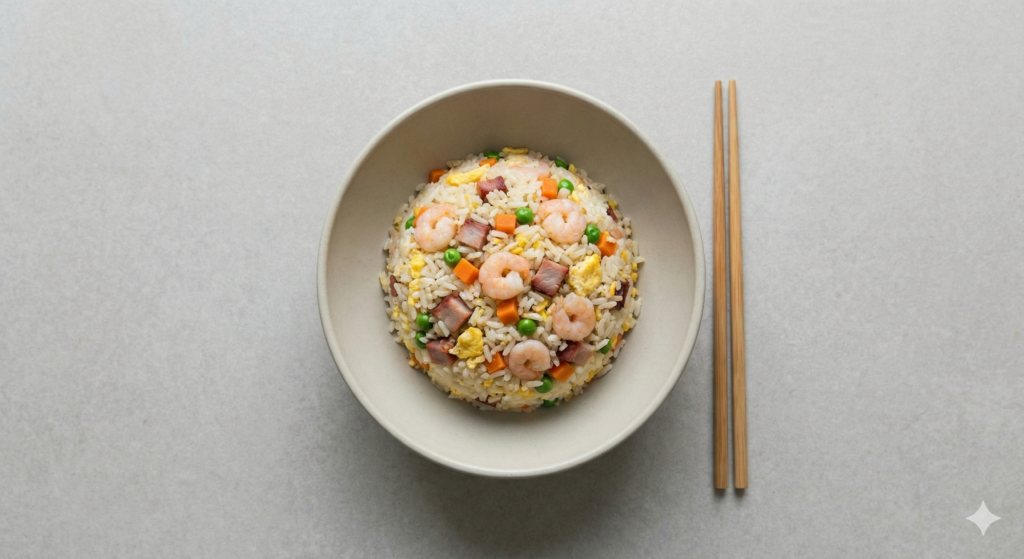
Yangzhou Fried Rice recipe is distinct from standard takeout fare because it is a “white” fried rice that relies on sea salt, chicken essence, and the natural savoriness of premium ingredients rather than heavy soy sauce. The authentic technique, often called “Gold over Silver,” involves coating rice grains in egg to ensure they remain separate and golden, combined with a specific blend of proteins known as the “8 Treasures,” including char siu, shrimp, and dried scallops.
Why Your Homemade Version Never Tastes Like the Restaurant
Let’s be honest for a moment. You have probably tried to replicate that smoky, fragrant plate of rice you had at a high-end dim sum parlor, but the result was heavy, brown, and clumpy. I have been there. Early in my culinary career, I thought the secret to all Chinese food was just adding more dark soy sauce. I was wrong. The reality is that if you are reaching for the soy sauce bottle, you have already failed the authentic Yangzhou Fried Rice recipe test.
This isn’t just about tossing leftovers in a pan. In my fifteen years of consulting for restaurant openings, I have seen professional chefs fired for treating this dish as an afterthought. It is a test of skill. Users are not searching for a way to use up old ham; they are looking for the “Emperor’s Grain”—a dish where every single grain of rice is distinct, chewy, and coated in flavor without being greasy. If you run a small food business or just want to impress your family, mastering this specific dish elevates you from a home cook to a serious culinarian.
Note: Proper rice storage is critical for food safety. According to theUSDA FoodData Central, cooked rice left at room temperature can develop bacteria rapidly, so always chill your rice quickly if prepping for the next day.
More Than Just Leftovers The History of the Emperors Grain
Most people think fried rice is “peasant food” designed to reduce waste. While that is true for many variations, the Yangzhou Fried Rice recipe is actually high-class banquet food. Historians trace its roots back to the Qing Dynasty, associated with Yi Bingshou, a scholar and official.
In the field, I often have to correct restaurant owners who want to put this on the “Economy Lunch” menu. This dish was designed to show off wealth. It is traditionally vibrant and colorful, looking like a pile of jewels. The ingredients—shrimp, sea cucumber, scallops—were status symbols. When you cook this, you aren’t cleaning out the fridge; you are curating a plate of history.
The White Fried Rice Theory Why We Ditch the Soy Sauce
Here is the controversial part that usually shocks my cooking class students: Authentic Yangzhou fried rice contains zero soy sauce. None.
When you add soy sauce, two things happen:
- Moisture Overload: The liquid makes the rice soggy, preventing that dry, toasted texture we want.
- Flavor Masking: Soy sauce is a bully. It overpowers the delicate sweetness of the shrimp and the complex umami of the dried scallops.
Based on my experience tasting this dish across Hong Kong and Yangzhou, the flavor comes from salt, white pepper, and occasionally a splash of high-quality chicken stock or Shaoxing wine added around the rim of the wok at the very end. This technique keeps the colors bright—pink shrimp, green peas, golden eggs—rather than turning everything a muddy brown.
The 8 Treasures Sourcing and Prepping the Holy Grail Ingredients
To execute a true Yangzhou Fried Rice recipe, you need to understand the “8 Treasures.” In a professional kitchen, we prep these mise-en-place bowls with military precision.
- The Proteins: Char Siu (BBQ Pork) diced into cubes, and Shrimp (blanched).
- The Binder: Eggs (we will discuss how to use them in a minute).
- The Umami Bomb: Dried Scallops (Conpoy) and Sea Cucumber.
- The Crunch: Bamboo shoots, Scallions, and sometimes Kai-lan stems or peas.
Practitioner’s Advice: I know what you are thinking—”I can’t find Sea Cucumber at my local Kroger.” That is fine. In my consulting work for smaller bistros, I tell them to focus on the texture profile rather than the exact ingredient. If you can’t find dried scallops (which are expensive), use small dried shrimp soaked in warm water. If you can’t find sea cucumber, fresh shiitake mushrooms offer a similar bouncy texture. Authenticity is about the spirit of the dish, not just the shopping list.
The Rice Prep The Gold Over Silver Debate
There are two schools of thought on how to handle the egg, and I have seen chefs get into shouting matches over this.
- Silver Covered in Gold: You mix the raw egg yolks directly into the cold rice before frying. This coats every grain in yellow, creating a golden mountain.
- The Scramble Method: You fry the egg first, remove it, and add it back later.
For a foolproof Yangzhou Fried Rice recipe, I recommend a hybrid approach. I usually scramble the egg whites separately to keep them fluffy and white, but I coat the rice in the yolks. This ensures that beautiful, distinct separation of grains.
⚠️ Important! Never use fresh, steaming hot rice. It contains too much moisture and will turn into paste. Use day-old rice that has spent a night in the fridge. This causes starch retrogradation, making the grain firm and ready to absorb fat without getting mushy.
The Wok Hei Workaround Technique for Home Stoves
“Wok Hei” refers to the “breath of the wok”—that smoky, seared flavor achieved by jet-engine burners in restaurants. You likely have a standard electric or gas range. Can you still make it work? Yes, but you have to cheat a little.
In the field, I teach home cooks to cook in small batches. If you overcrowd your home pan, the temperature drops, and the rice steams instead of frying. You want to hear a crackling sound, not a simmering sound.
Step-by-Step 8 Treasures Yangzhou Fried Rice Recipe
Here is how we put it all together. This method mimics the restaurant workflow but is adapted for your kitchen.
Ingredients:
- 3 cups cooked Jasmine rice (day-old, cold)
- 2 large eggs (beaten)
- 1/2 cup Char Siu pork (diced)
- 1/2 cup small shrimp (peeled and deveined)
- 2 tbsp dried scallops (soaked and shredded) or dried shrimp
- 1/4 cup peas and diced carrots (blanched)
- 2 stalks scallions (chopped)
- Salt, White Pepper, Sugar, Cooking Oil
Instructions:
- Rehydrate the Seafood: Soak your dried scallops or shrimp in warm water for 20 minutes until soft. Drain well.
- The “Velvet” Step: In a small bowl, mix the cold rice with a tablespoon of oil and use your hands to break up any clumps. This is a secret industry trick to guarantee separation.
- Sear the Proteins: Heat your wok or large skillet until smoking. Add oil, then stir-fry the shrimp and Char Siu until fragrant. Remove them and set aside.
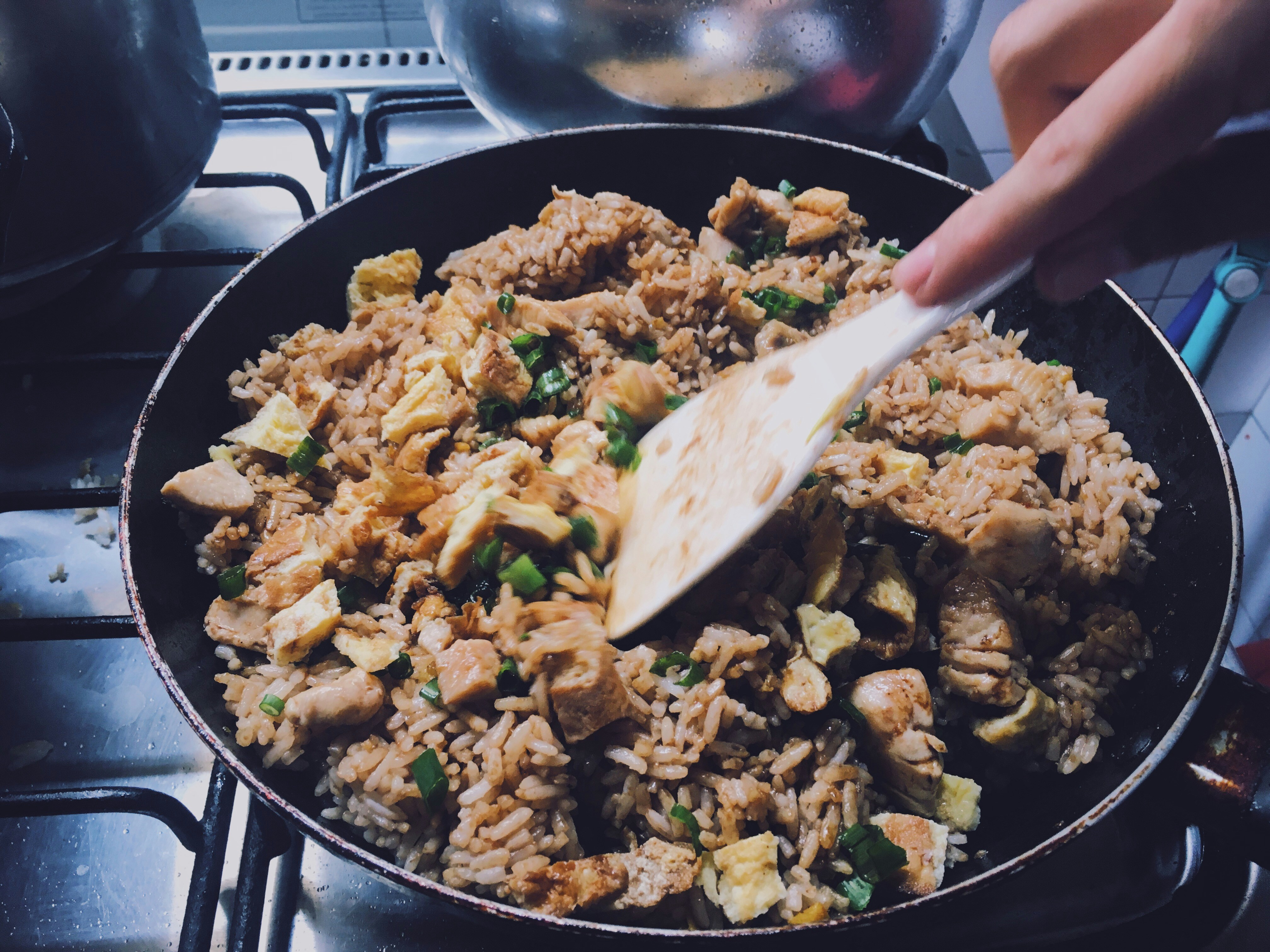
- The Egg Base: Add a little more oil. Pour in the egg. As it bubbles, immediately dump in the rice. Stir strictly and rapidly. You want the egg to cook onto the rice.
- The Toss: Add the cooked meats, the rehydrated scallops, and the vegetables back into the pan. Keep everything moving.
- Seasoning: Sprinkle salt, sugar (just a pinch to balance), and white pepper. Do not use soy sauce.
- The Finish: This is the most critical step in the Yangzhou Fried Rice recipe. Turn the heat to high. Pour a teaspoon of water or stock around the edge of the hot pan (not on the food) to create a burst of steam. Toss for 10 more seconds to infuse that “Wok Hei” flavor.
Troubleshooting Your Bowl
Even with the best instructions, things can go sideways. Here are the most common issues I see when reviewing my clients’ attempts:
- Why is it oily? You added oil at every stage. Rice absorbs oil like a sponge. Only add oil at the beginning; rely on the fat rendering from the Char Siu for the rest.
- Why does it taste flat? You skipped the dried seafood. The “8 Treasures” aren’t just for show; the dried scallops provide the base note of savoriness that salt alone cannot achieve.
Your Turn to Master the Wok
Mastering this Yangzhou Fried Rice recipe is a rite of passage. It teaches you heat control, knife skills, and the importance of ingredient balancing. It is far superior to the brown, salty takeout boxes you are used to.
I encourage you to try this “white” version this weekend. Go to an Asian market, buy the dried shrimp or scallops, and taste the difference. Once you try the authentic version, you will never look at a packet of soy sauce the same way again.
Frequently Asked Questions
1. Can I make this recipe vegetarian? Absolutely. In professional kitchens, we call this “Jade Fried Rice.” simply remove the pork and shrimp. Substitute them with diced firm tofu, shiitake mushrooms, and perhaps some corn for sweetness. The technique remains exactly the same.
2. Do I absolutely need a carbon steel wok? While a carbon steel wok is ideal for heat distribution, I have made excellent fried rice in a cast-iron skillet or even a high-quality non-stick pan. The key is heat management—let your pan get hot before adding ingredients.
3. How long can I keep the leftovers? Because of the seafood and pork, this dish should be consumed within 2 days. When reheating, do not use the microwave if you can avoid it—it makes the rice rubbery. Re-fry it in a pan for 2 minutes to bring the texture back to life.